What Did the Wessex Saxons Eat? A Food History Explainer
Ask someone what a Saxon had for dinner and you will usually get a shrug, or a joke about turnips. The evidence is better than that. Animal bone dug out of Hampshire pits, charred grain from houses that burned down in Winchester, pollen and parasite eggs preserved in the damp of a Southampton cesspit, and the food rents written into Wessex law codes give us a rounded picture of the table in the kingdom of Wessex between roughly the seventh and eleventh centuries. Some of it sounds dull. Some of it sounds genuinely good. None of it involved potatoes, tomatoes or sugar.
Bread, ale and a pot that never left the fire
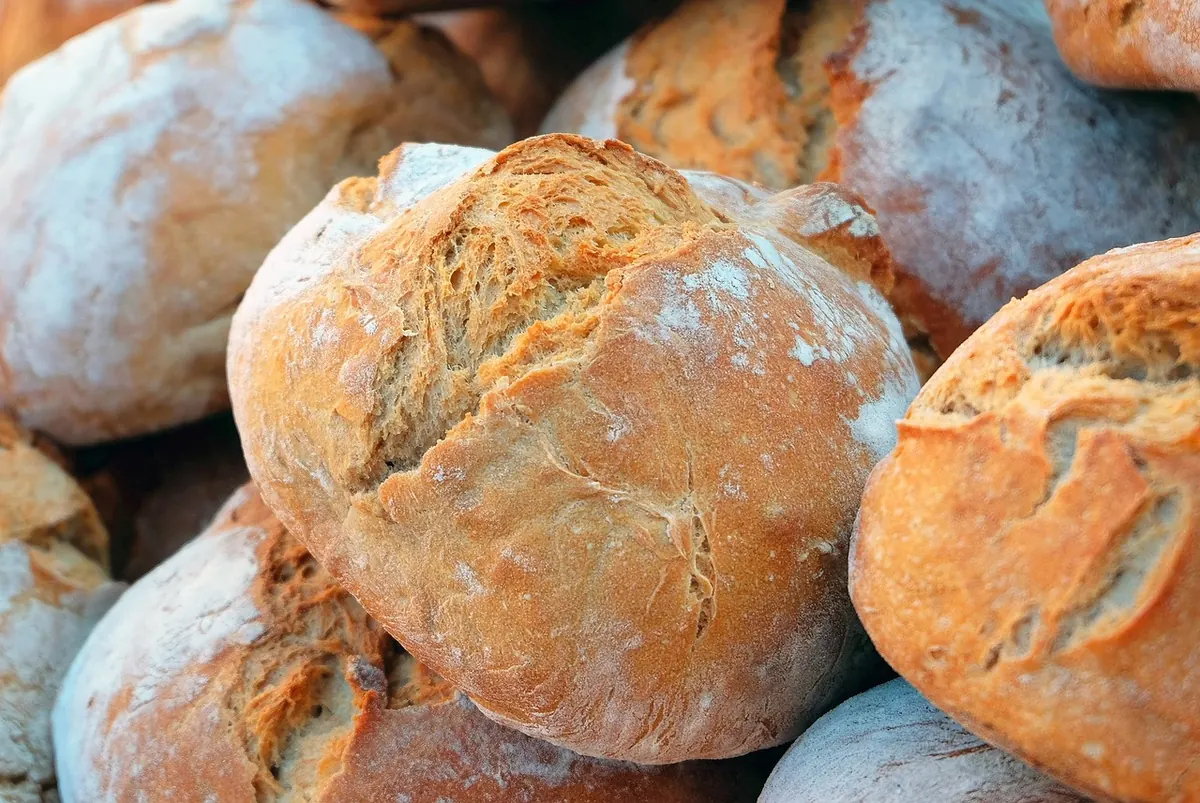
Three things sat under almost every meal: bread, ale and pottage. Bread was the constant. Finer wheat loaves went to the tables of thegns and abbesses; most people ate darker bread made from bere barley, rye or a mixture of grains, baked either in a clay oven or as flat cakes on a hot stone or griddle. Barley bread is dense, faintly sour stuff, and it wants something wet alongside it.
Ale was that something much of the time. Brewed at home from barley and usually weak by modern standards, it was drunk with nearly every meal by almost everyone, because water from a village well or stream was not always something you wanted to trust. Wine and mead existed, but they belonged to feasts, the church and the wealthy.
Then the pot. A heavy clay or iron vessel sat at the edge of the hearth for days at a stretch, holding grain, peas, beans, leeks, cabbage and whatever bone or scrap of meat was going in. The Anglo-Saxon cook did not think in courses. She thought in one continuous simmer. In Ælfric's Colloquy, a Latin teaching text written around the year 1000, the ploughman is asked what he earns for his labour and answers plainly: bread, meat and ale.
How we know: bones, seeds and cesspits
Nobody left us a Wessex cookbook, so the picture is assembled from fragments, and each kind of fragment answers a different question. Animal bones from pits and middens show which species were eaten and at what age they were killed. Charred and waterlogged seeds show crops, weeds and gathered plants. Soil from latrine pits holds pollen, plant fragments and parasite eggs, which reveal what actually passed through people's bodies rather than what was merely available. Pottery residues can hint at what was cooked in a vessel. Then come the texts: law codes, charters, wills, medical collections and saints' lives.
Put those sources side by side and a consistent shopping list emerges:
- Cereals: bread wheat, spelt, rye, bere barley and oats
- Pulses: peas, beans and vetches, dried for winter
- Greens: leeks, onions, cabbage, plus wild leaves gathered in spring
- Fruit and nuts: apples, sloes, plums, hazelnuts, blackberries, elderberries
- Herbs: dill, coriander and wild garlic
- Sweetener: honey, taken from wild nests and later from managed hives
Pork, mutton and the animals that worked first
Cattle, sheep and pigs dominate the bone records from Wessex farms and towns. But the bones also carry a warning against assuming that meat was everyday food. Cattle were kept into adulthood because they pulled ploughs and carts, which means beef usually came from animals that had already worked a lifetime — tough meat, best boiled slowly or minced into a stew. Sheep earned their keep through wool and milk, so mutton was often a by-product, while ewe's milk went into cheese and butter, both of which stored well.
Pigs were different. They bred quickly, needed little management and could be turned into woodland to fatten on acorns and beechmast. That made pork the most efficient meat on the farm, and it appears in generous quantities on high-status sites. Chickens, geese and ducks scratched around most settlements. Venison was a different matter altogether: hunting was a right held by the king and granted to favoured lords, and taking a deer without permission was treated as a serious offence.
Fish, fast days and the Church calendar
The Church took meat off the table for Lent, Advent, Fridays and the vigils before major feasts — a large slice of the year, and a rule that applied to rich and poor alike. Fish filled the gap. Eels were the great staple, trapped in woven baskets and weirs in the chalk streams of Hampshire and Wiltshire and frequently handed over as rent. Herring, pike, trout, salmon and cod appear both in written lists and in pits, and oysters and mussels were gathered in quantity from Southampton Water.
Without refrigeration, fish was eaten fresh where possible and otherwise dried, salted or smoked — which is why coastal salt-making was such a valuable trade. The bone evidence suggests that marine fish grew steadily more common towards the end of the Saxon period, as trade, boats and salting techniques improved.
Wine, pepper and the port at Hamwic
Wessex was not a closed economy. Hamwic, on Southampton Water, was a busy trading town, and Winchester grew into a royal and ecclesiastical centre where goods moved in from the continent. Barrels of wine arrived partly because Mass required it, and with the wine came pottery, millstones and small quantities of pepper and other spices. A pinch of pepper was a status symbol, not a store-cupboard staple. For everyday flavour, cooks relied on honey, salt, vinegar, herbs and long cooking.
Cooking a Wessex meal at home
You can get closer to this diet in an afternoon than in a week of reading. Here is a straightforward version.
- Soak dried peas or beans overnight. This step is not optional; the dried pulses of the period were hard as gravel.
- Start the pottage. Put barley, the soaked pulses and water or stock in a heavy pan, bring to a simmer and leave it for an hour or more until it collapses into something thick. Add chopped leeks, cabbage and herbs in the last twenty minutes. Season with salt and a splash of vinegar.
- Make flatbread. Mix barley and wheat flour with water, salt and a little ale or buttermilk, pat the dough thin, and cook on a dry, hot griddle for a few minutes a side.
- Cook meat simply. Braise pork or mutton with herbs and a little ale in a covered pot, or roast it over a fire.
Photo: Couleur / Pixabay